Step 01 · Distributions
Empirical Quantiles and Tables
Theory gives a curve; a sample gives a ladder. Quantiles are the rungs of that ladder, and learning to read them is the practical counterweight to every bell-shaped assumption made earlier.
From sample to ladder
Arrange the observations from smallest to largest and the task is nearly done. The median is the middle value, the quartiles cut the arrangement into quarters, and the deciles into tenths. Each cut point answers a plain question: what share of the sample lies below this value? Although the arithmetic is modest, the conceptual move is large, because the ladder describes the sample without invoking any curve at all. It is honest about the data in front of it.
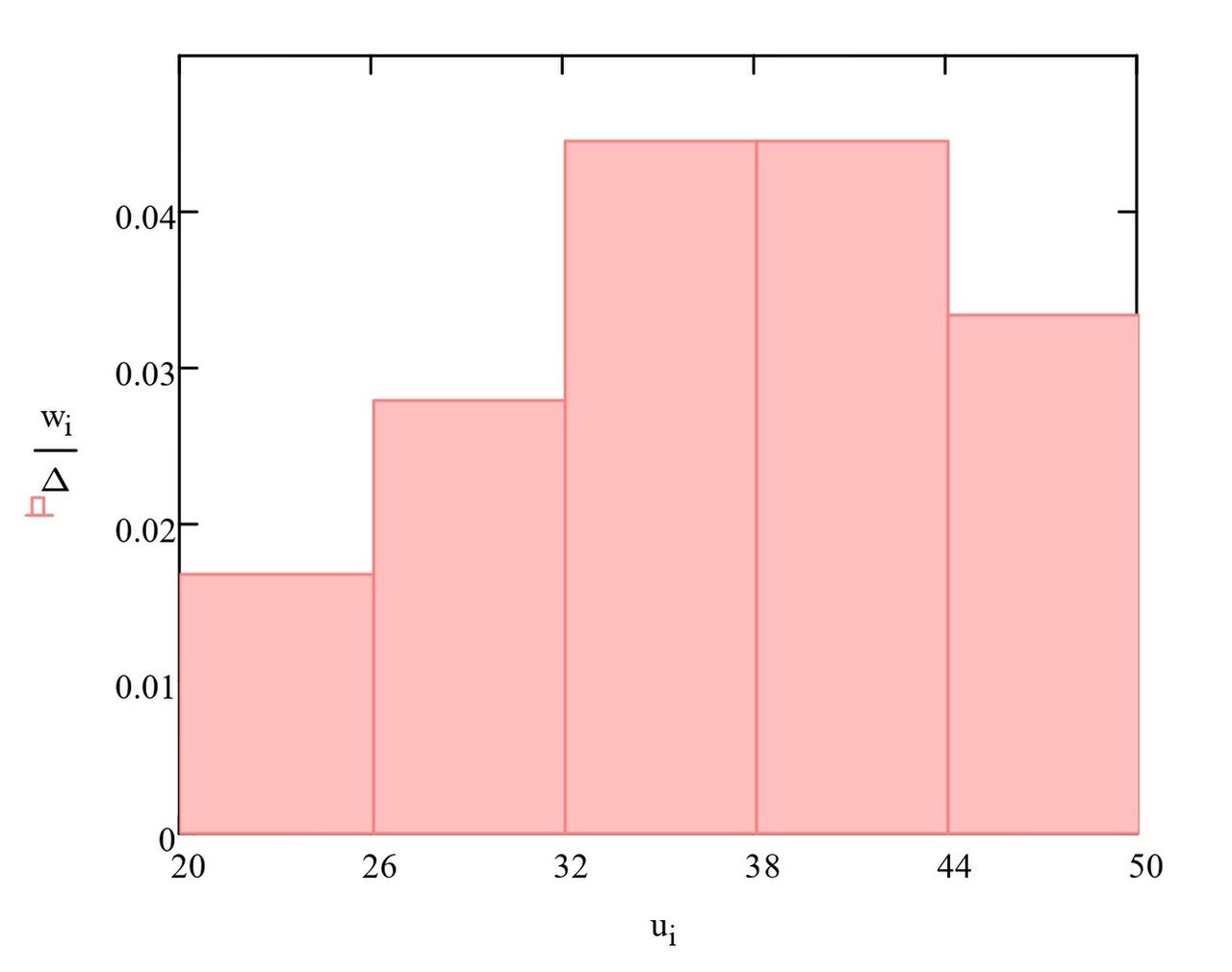
With a small sample the rungs are coarse and the cut points wobble. With a large sample the ladder becomes fine, and the shape of the underlying distribution begins to show through the spacing of the rungs. Where the rungs crowd together, the density is high; where they spread apart, the density is low. A reader can almost see the curve emerging from the arrangement itself.
An example ladder
| Cut | Share below | Position |
|---|---|---|
| minimum | 0.00 | first value |
| lower quartile | 0.25 | one quarter in |
| median | 0.50 | middle value |
| upper quartile | 0.75 | three quarters in |
| maximum | 1.00 | last value |
Comparing a sample with a curve
The empirical ladder and the theoretical curve can be laid side by side. Take a standard score, look up the share the curve predicts below it, and compare that share with the share the arranged sample actually shows. If the two agree closely across the whole ladder, the curve is a fair summary. If they disagree at the ends but agree in the middle, the sample is telling you something the curve cannot: its tails are heavier or lighter than the normal law allows.
Why tables still earn their shelf
A printed table of cut points and shares compresses a distribution into a form a reader can scan without computing anything. The compendium keeps such tables because the habit of checking a curve against real rungs is the habit that keeps an analyst honest.
Quantiles for the normal law
For the normal curve the ladder is symmetric about the centre, so the lower quartile sits at minus roughly sixty-seven hundredths of a unit and the upper quartile at plus the same figure. The tenth and ninetieth cut points sit near minus and plus one and twenty-eight hundredths. Memorising two or three of these cut points is enough to sketch the curve on paper, and enough to judge quickly whether a fresh sample resembles it.
Why the arrangement matters
A quantile ladder is also an instrument for spotting structure that a mean would hide. Two samples with the same centre may have very different upper quartiles, and the difference is often the whole story. By arranging values before summarising them, the reader keeps the shape of the sample in view and postpones the moment when a single number has to carry the weight. That postponement is a habit worth keeping through the rest of the compendium.
When the ladder disagrees with the curve
A disagreement between the empirical ladder and the normal curve is informative in itself. If the middle rungs match but the outer rungs sit farther out than the curve allows, the sample has heavier tails than the normal law, and any statement that leaned on the curve's far ground should be softened. If the outer rungs sit closer in than the curve predicts, the sample is lighter-tailed, and rare values are rarer than the curve suggests.
Either way, the ladder has done its work by telling the reader where the curve is a fair summary and where it is not. This is the practical value of keeping tables beside theory: the table is a witness, and a witness that agrees with the curve in some places and not others is more useful than one that agrees everywhere without being checked.